

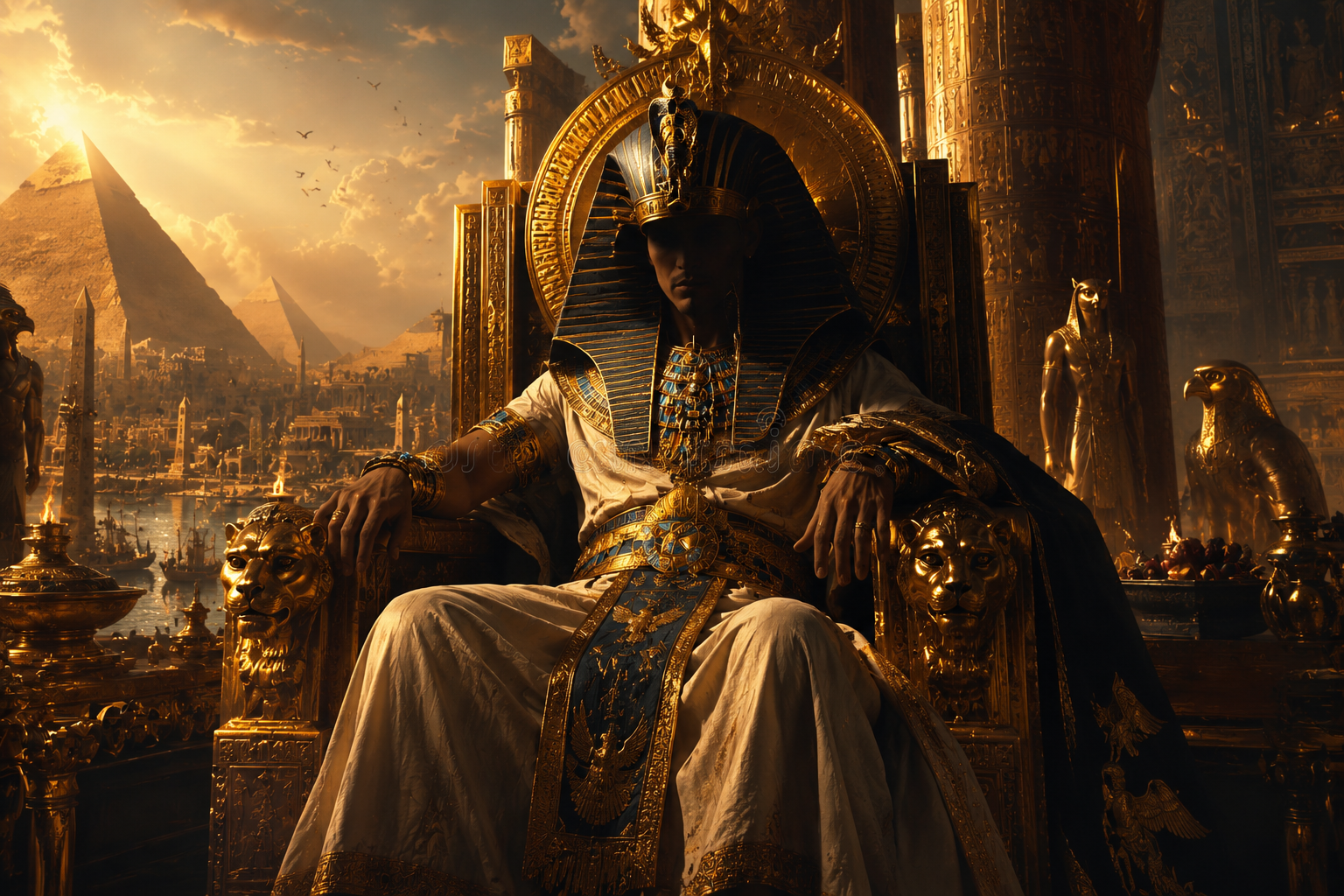
When Man Tries to Become God: Fi'raun and the Psychology of Tyranny
What happens when kings call themselves gods? How does power transform leaders into tyrants? The story of Fi’raun provides a striking answer. Not only did he reject Divine authority but he elevated himself to the status of god, demanding obedience to consolidate his grip on power. This article explores leaders’ fascination with self-deification and how worshipping human desires gives rise to oppression and tyranny.

Barsisa: The Monk Who Traded Paradise for Zina
Barsisa had been a pious worshipper known for his devotion to Allah. His story is told by the People of the Book, whose life was ruined after falling into zina (unlawful sexual intercourse). His story is a cautionary tale on free-mixing and succumbing to Satanic desires. But what happens when society itself promotes zina?

The Destruction of Ad: Why Power Always Corrupt Elites
Power is an addictive force. It transforms the weak into the strong, the average man into a warrior and a small village into a mighty nation. This was the case for the people of Ad but was also the reason for their downfall. In particular, their tribal chiefs rejected Prophet Hud عَلَيْهِ ٱلسَّلَامُ, and lead a hostile campaign to discredit him. But why were they hostile in the first place? What stopped Ad’s chiefs from engaging with their prophet and accepting Monotheism?

How the People of Nuh Predicted the Modern Da’wa Scene
The life of an Islamic da’ee (preacher) is one of sacrifice and patience. Prophet Nuh عَلَيْهِ ٱلسَّلَامُ demonstrates this, who preached for almost 10 centuries for the sake of Allah while facing rejection and opposition. An overlooked point is why the people of Nuh rejected their prophet - his lack of popularity. The people’s understanding was that a preacher needed to be famous, wealthy and in the company of the rich.

Prophet Ibrahim and The Hidden Cost of Blind Compliance
The story of Ibrahim عَلَيْهِ ٱلسَّلَامُ is a lesson on the dangers of compliance culture when a society is collectively on a path of falsehood. When idolatry was entrenched in society, Prophet Ibrahim faced pressure to conform but relied on sound judgement and Divine guidance to expose the truth. This article exposes how blind loyalty leads to corruption and how all Muslims have a responsibility to enjoin good even in times of widespread evil.

The Age of Ego: Satanic Traits in Contemporary Society
The rebellion of Iblis in the story of Adam عَلَيْهِ ٱلسَّلَامُ, is a cautionary tale against arrogance and ego which can lead to Divine punishment. But what if these Satanic traits are not just glorified but prevalent in today’s society?
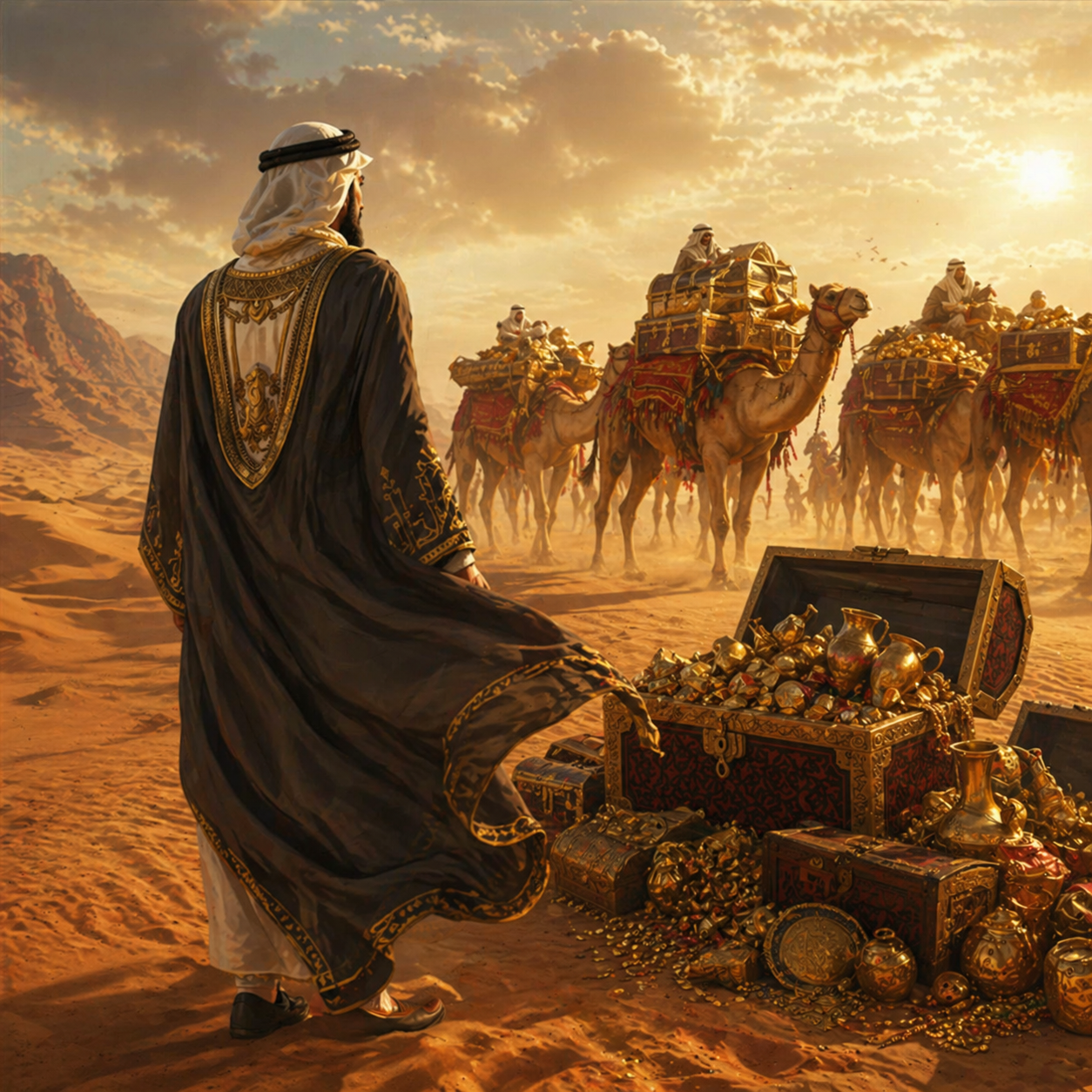
The Downfall of Qarun and the Dangers of Materialism
Today, we’re living in the age of the self. Community has been replaced by individualism, people have become consumers, and contentment has been replaced by greed. An example of this mentality is Qarun (Korah), a wealthy man from the time of Prophet Musa عَلَيْهِ ٱلسَّلَامُ. His immense wealth was admired and seen as a mark of success, yet it led to his ruin.