

Piety, Generosity and God-Consciousness: The Character of Harun al-Rashid
Harun al Rashid was known as the Caliph of the Golden Age, whose name is immortalised in legend and historical folklore. However, his personal piety and character is not as commonly depicted. This article focuses on personal stories of al Rashid outside of his leadership, outlining his piety, worship and treatment of scholars. For Harun al-Rashid's early life, political career and major historical events, read Harun al Rashid: The Caliph of the Golden Age.
From Salahuddin to Today: Why Unity is Missing in the Muslim World
Throughout its history, the Islamic world has experienced constant conflict. Across its various civilisations and empires, recurring patterns of victories and calamities offer valuable lessons.
When reflecting on the past, Muslims often view military victories as standalone moments rather than part of a cause-and-effect sequence, overlooking the broader context. While we proudly recall Salahuddin’s liberation of Palestine, we often overlook the preceding decades of fractured Seljuk power which led to the loss of Jerusalem.

Why is Palestine Significant in Islam?
We’re living in a world full of conflict. Muslims being brutalised in Palestine, Libya, Sudan, Syria, Lebanon, Yemen and beyond. For our brothers and sisters in Palestine, we have seen the invasion and occupation of cities, settler violence, starvation and journalists being killed.
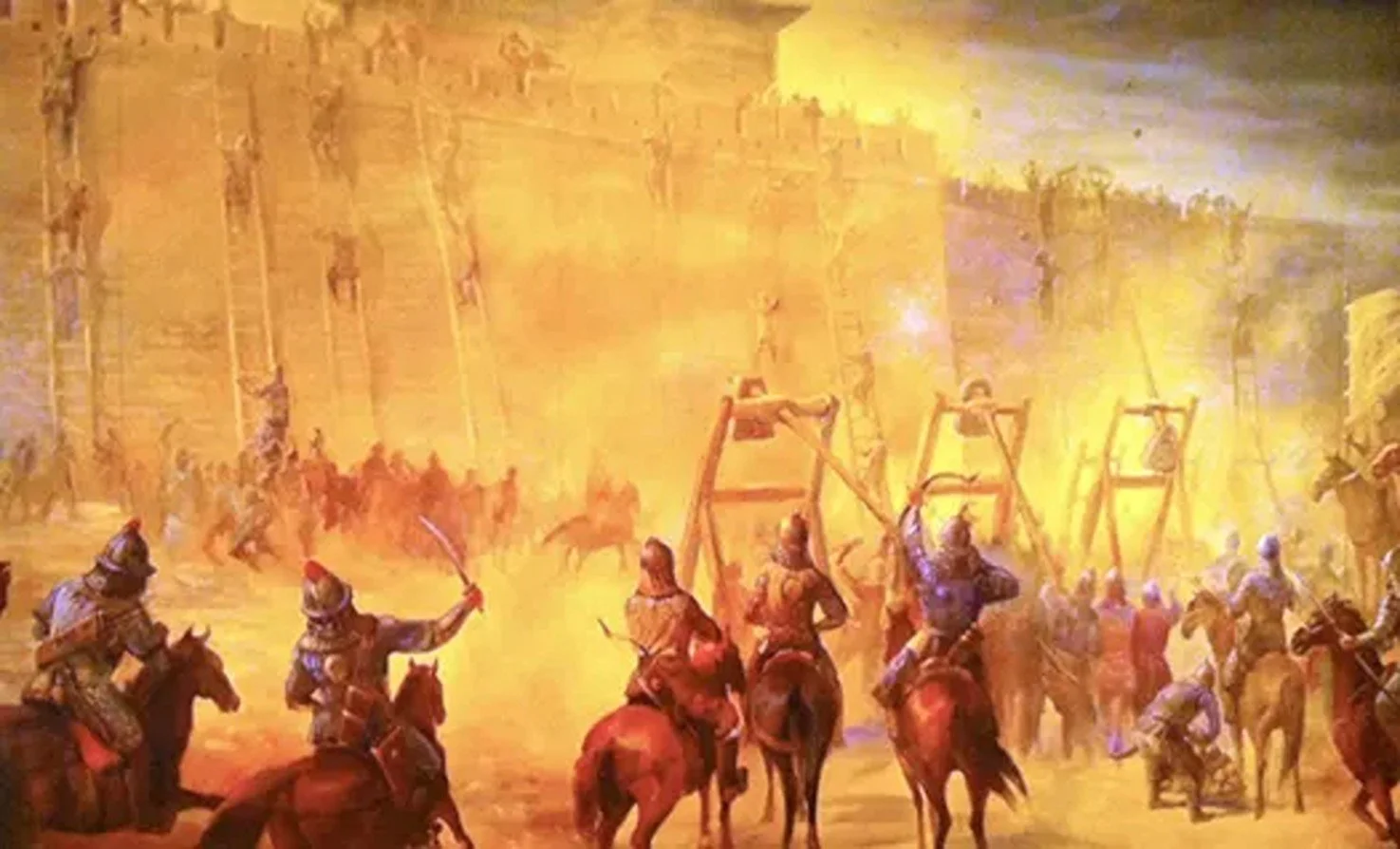
When the Ummah Lost Its Caliphate: Lessons from the fall of the Abassids
The collapse of the Ottoman Empire wasn’t the first time the ummah lost its caliphate. The global shock, the collapse of our unity brought a pain etched into our history, and its impact is still felt today. Preceding this was also a significant event. The 12th century collapse of the Abassid caliphate by the Mongols.
The Caliph Who Sent an Army for One Woman
Al-Mu‘tasim Billah, son of Harun al-Rashid and the eighth Abbasid caliph, was undoubtedly an oppressor. He killed scholars and famously imprisoned others over disputes in ʿaqīdah. But this article isn’t about dissecting his legacy—it’s about one striking incident that highlights a virtue sorely lacking in today’s Muslim rulers: jealousy over a Muslim’s honour being violated.