

Featured



Feminism and pop culture go hand in hand. In the 2010s, the ‘girl-boss’ era featured a carousel of celebrities urging women to become loud, side-hustling CEOs. But what is often portrayed as empowerment exploits women - selling a fantasy wrapped in anti-male messaging. The previous article Historical Origins of Feminism explored the ideology’s roots in witchcraft and paganism, alongside its aims to revive goddess worship. This article analyses how the same themes exist within contemporary pop culture, particularly Hollywood and the music industry.
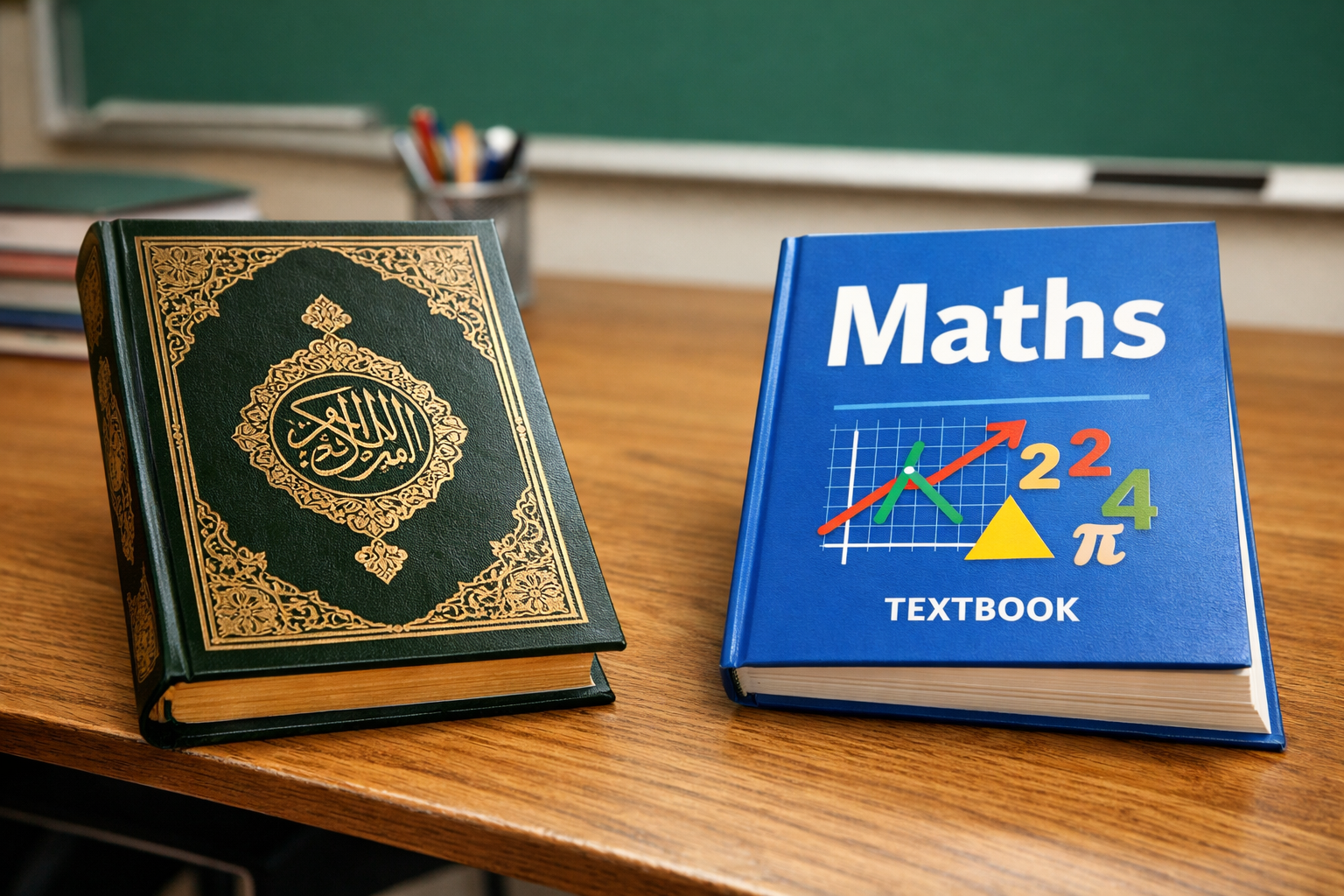
Should Muslims pursue only Islamic education, or secular Western education? This question is often considered by Muslim parents when planning their children’s schooling. The answer arguably lies in Islamic history, which offers many examples of righteous Muslims who successfully engaged with both systems, each serving distinct purposes and goals. This article explores the history and aims of modern Western and traditional Islamic education, and examines how engaging with both can benefit contemporary Muslims.
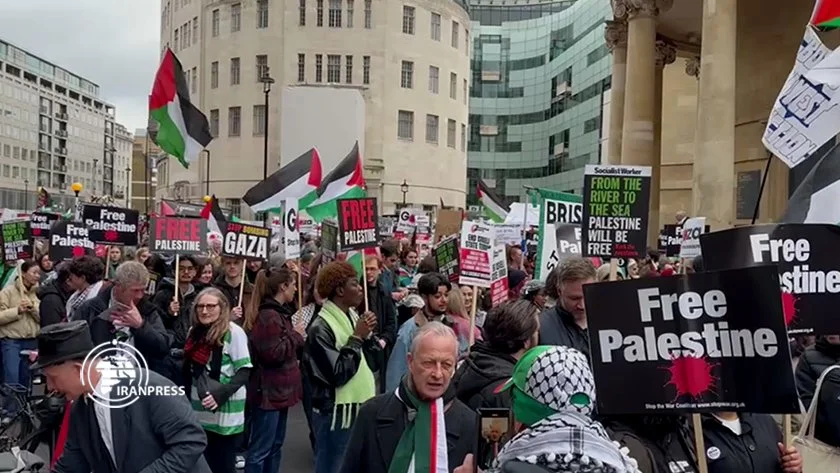
We’re living in an age of global anarchy. One where the farce of American democracy has been exposed. Under the Trump administration, America’s shift into totalitarianism is evident. At home, ICE terrorises immigrant communities, Pro-Palestinian activists are targeted while tax payer dollars continue to fund the Israeli terror state. While abroad, the invasion of Venezuela and the genocide in Gaza, alongside the escalating violence in the Middle East, threaten to spark a regional war.
Throughout its history, the Islamic world has experienced constant conflict. Across its various civilisations and empires, recurring patterns of victories and calamities offer valuable lessons.
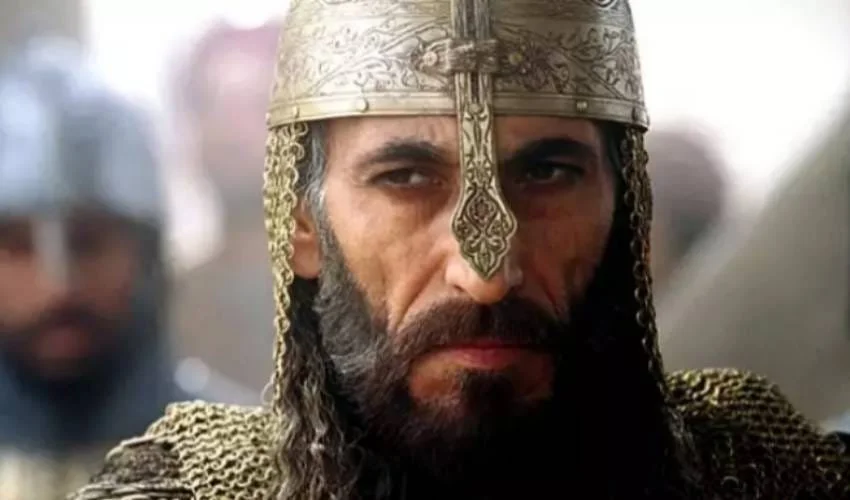
When reflecting on the past, Muslims often view military victories as standalone moments rather than part of a cause-and-effect sequence, overlooking the broader context. While we proudly recall Salahuddin’s liberation of Palestine, we often overlook the preceding decades of fractured Seljuk power which led to the loss of Jerusalem.
We’re living in a world full of conflict. Muslims being brutalised in Palestine, Libya, Sudan, Syria, Lebanon, Yemen and beyond. For our brothers and sisters in Palestine, we have seen the invasion and occupation of cities, settler violence, starvation and journalists being killed.
We watch aghast from our screens, our brothers and sisters in Palestine, Sudan, Yemen, Lebanon and across the Muslim world succumbing to the butchery of the Western imperial order. We turn to our Muslim leaders, who sit in gilded thrones, posing with the enemies of Allah who killed them.
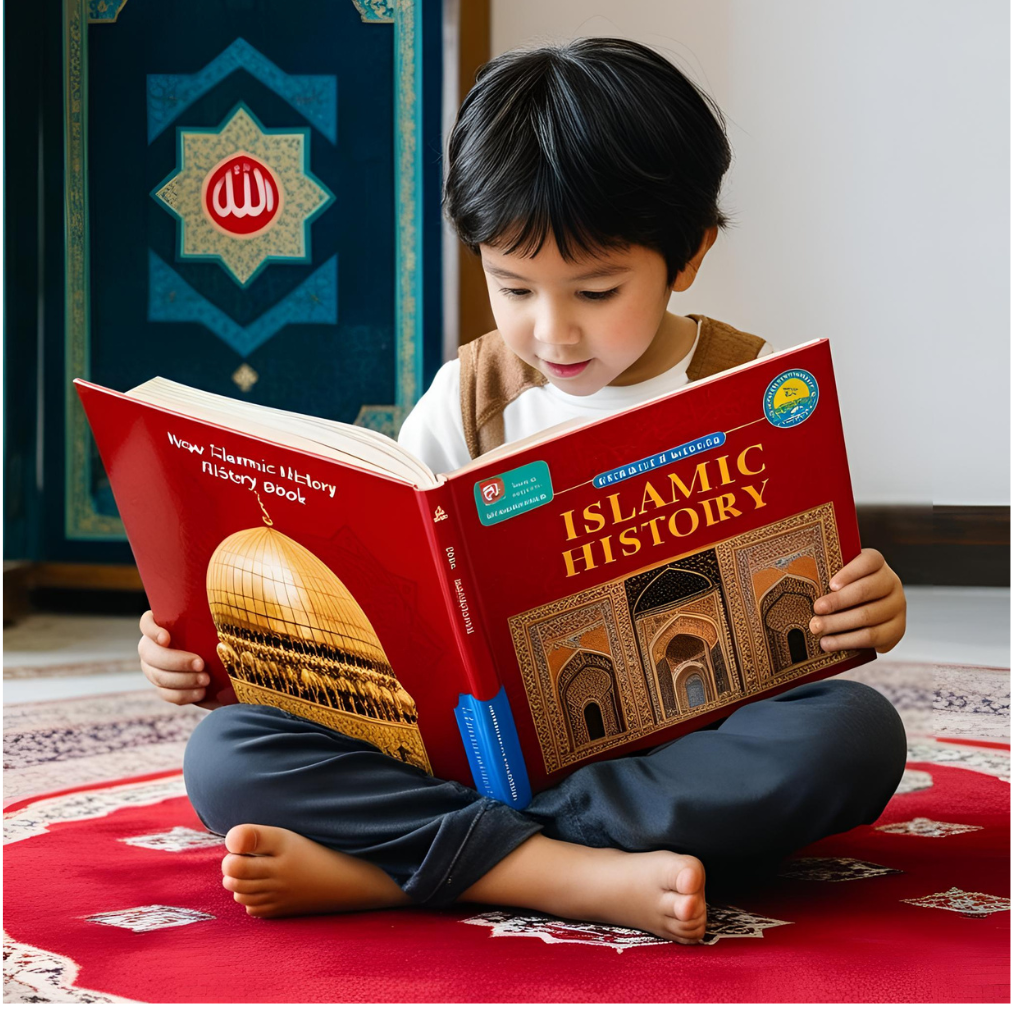
In Western classrooms, textbooks often omit Islamic history. Most people are unaware of Islam’s historical context, including its leaders, the rise and fall of its empires, and its eventual spread. Despite this lack of understanding, Islam remains a frequent subject of debate in mainstream discourse.
A hundred years. That’s all it took for feminism to dismantle societal structures lasting civilisations. It has forever altered how we view gender, family and power dynamics. But despite its popularity, few understand the spiritual side of feminism. Every movement needs a set of values, often derived from spiritual and religious sources. Feminism is no different. It is a spiritual movement with a political face.