


Has Modern Education Killed Our Relationship With Learning?
At the heart of every civilisation is education. A society's capacity to flourish depends on people's pursuit of knowledge, yet modern education faces challenges on several fronts: over-examination culture, a decline in critical thinking, dependence on artificial intelligence and the rising cost of higher education. Studying is no longer about intellectual growth, but a means of obtaining employment. This has weakened our relationship with knowledge. This article examines the ways in which modern education has failed contemporary learners, reflecting on the purpose of education and the value of knowledge.
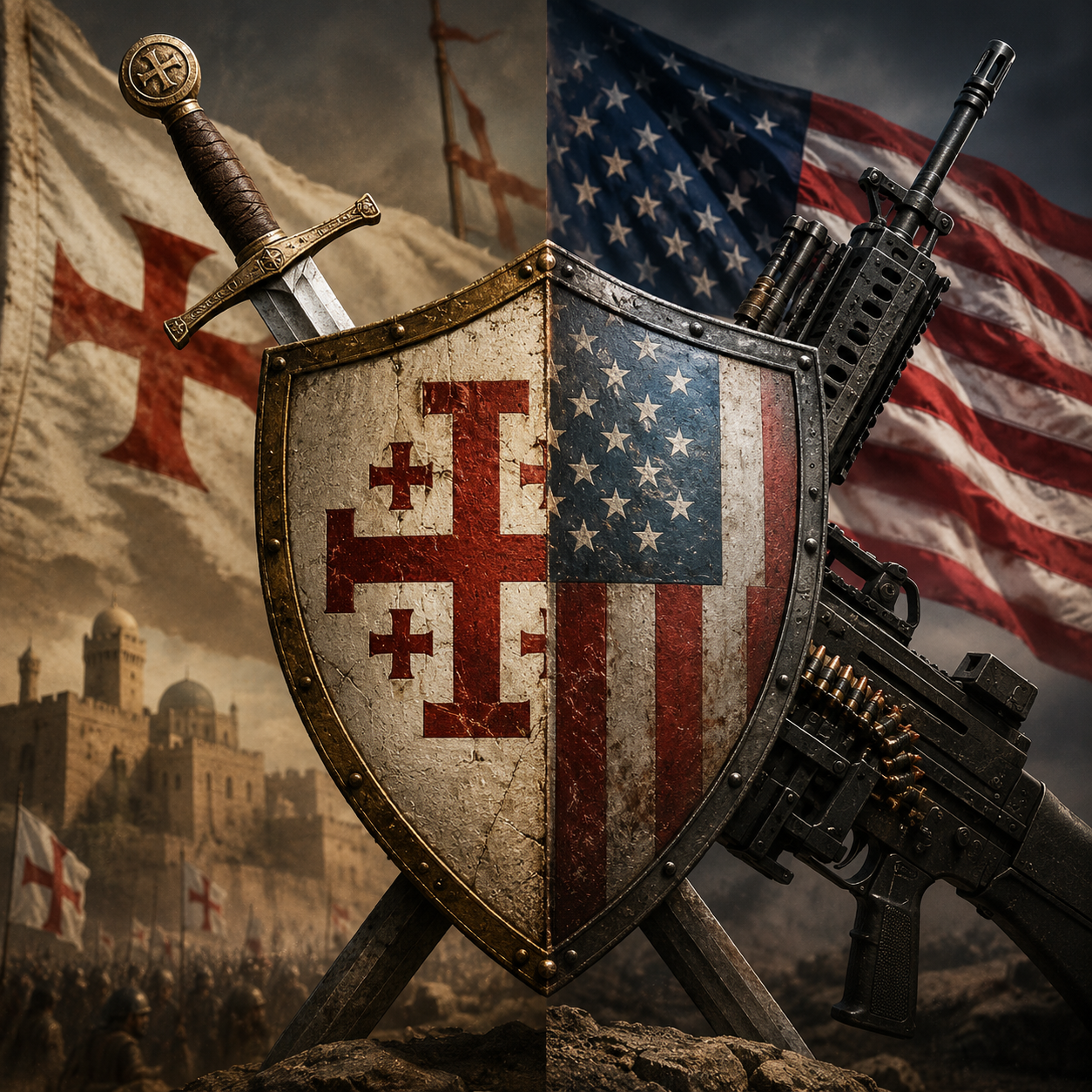
The American Crusades: Why the Crusades Never Ended
The era of Crusades never left the West. The language has changed but the beliefs remain the same. A desire to conquer Jerusalem, destroy the Muslim world and rule over the East is what sparked the 11th century Crusades. This belief has persisted in the modern day through the US-Israel led invasions of the Middle East that seeks to fulfil a Messianic prophecy. This article outlines how the Crusades are ongoing and how Europe’s mentality towards the Muslim world remains in the Middle Ages.

Paganism, Witchcraft and Satanism: The Historical Origins of Feminism
A hundred years. That’s all it took for feminism to dismantle societal structures lasting civilisations. It has forever altered how we view gender, family and power dynamics. But despite its popularity, few understand the spiritual side of feminism. Every movement needs a set of values, often derived from spiritual and religious sources. Feminism is no different. It is a spiritual movement with a political face.

Goddess Worship, Misandry and Promiscuity: Feminism in PopCulture
Feminism and pop culture go hand in hand. In the 2010s, the ‘girl-boss’ era featured a carousel of celebrities urging women to become loud, side-hustling CEOs. But what is often portrayed as empowerment exploits women - selling a fantasy wrapped in anti-male messaging. The previous article Historical Origins of Feminism explored the ideology’s roots in witchcraft and paganism, alongside its aims to revive goddess worship. This article analyses how the same themes exist within contemporary pop culture, particularly Hollywood and the music industry.

The Language of Money: Unmasking Elite Power in America
We’re living in an age of global anarchy. One where the farce of American democracy has been exposed. Under the Trump administration, America’s shift into totalitarianism is evident. At home, ICE terrorises immigrant communities, Pro-Palestinian activists are targeted while tax payer dollars continue to fund the Israeli terror state. While abroad, the invasion of Venezuela and the genocide in Gaza, alongside the escalating violence in the Middle East, threaten to spark a regional war.

The Age of Ego: Satanic Traits in Contemporary Society
The rebellion of Iblis in the story of Adam عَلَيْهِ ٱلسَّلَامُ, is a cautionary tale against arrogance and ego which can lead to Divine punishment. But what if these Satanic traits are not just glorified but prevalent in today’s society?
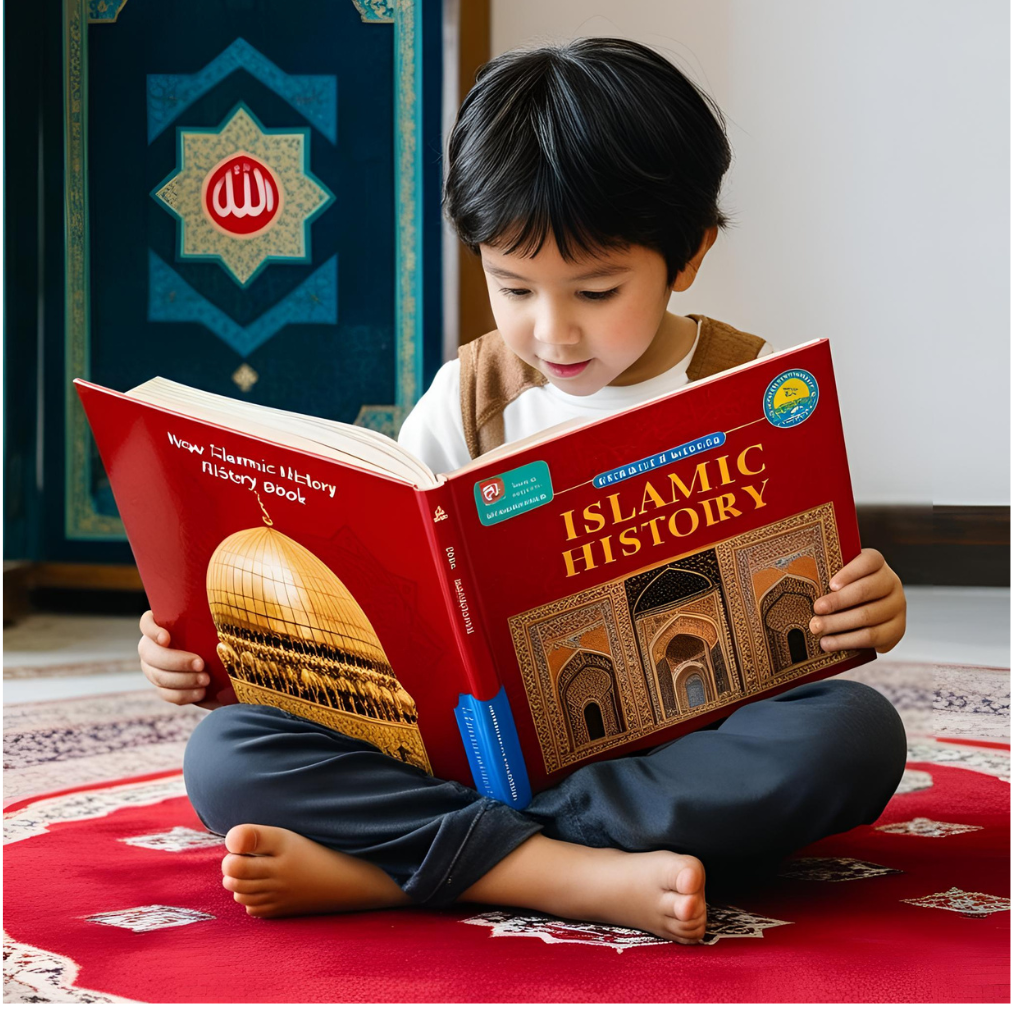
Muslims, We Need to Teach our Youth Islamic History
In Western classrooms, textbooks often omit Islamic history. Most people are unaware of Islam’s historical context, including its leaders, the rise and fall of its empires, and its eventual spread. Despite this lack of understanding, Islam remains a frequent subject of debate in mainstream discourse.