بسم الله الرحمن الرحيم
In the name of Allah the Most Gracious the Most Merciful
Reviving Islamic history to inspire tomorrow’s heroes
Islamic History Today is a platform dedicated to reviving the enduring legacy of Islamic history, offering insightful articles to connect history to today’s challenges—sparking reflection and action.
Revivers of Islam exist in every age. For every oppressor, there is a righteous ruler who restores the ummah back to the path of the Quran and Sunnah. Umar ibn Abdul Aziz رَحِمَهُ اللهُ was one of those revivers. In two years he removed the corruption of the Ummayid caliphate, becoming the most just leader after the four rightly guided caliphs. This article explores the remarkable life and lessons of Caliph Umar ibn Abdul Aziz.
Today, we’re living in the age of the self. Community has been replaced by individualism, people have become consumers, and contentment has been replaced by greed. An example of this mentality is Qarun (Korah), a wealthy man from the time of Prophet Musa عَلَيْهِ ٱلسَّلَامُ. His immense wealth was admired and seen as a mark of success, yet it led to his ruin.
Complicity is a word we’ve heard often in the media. It is described as ‘involvement in a crime or an activity that is wrong.’ In the context of Gaza, it is by aiding and supporting the genocide we’re witnessing today. There are many complicit in genocide: Western politicians, influencers, Hollywood and the media who are mouthpieces for Zionist slaughter. Opposing them are people of conscience. Activists who defend human rights, equality and protest against violence.
We are living in an age of dictatorship, where the Muslim world is in desperate need for strong leadership. The US is facilitating the massacre of Muslims in the Middle East with the approval of treacherous Gulf leaders eager to protect their thrones. All while the ummah has abandoned jihad, leading to a life of humiliation and disgrace on the global stage.
The world is lacking justice. The farce of the Western international order has been exposed. Gone are the laws which claimed to protect human rights and dignity, opening the doors to countries abusing their populations. We’re witnessing a genocide unfolding with no global intervention. This has created a moral dilemma in the international community - split between corruption and conscience.
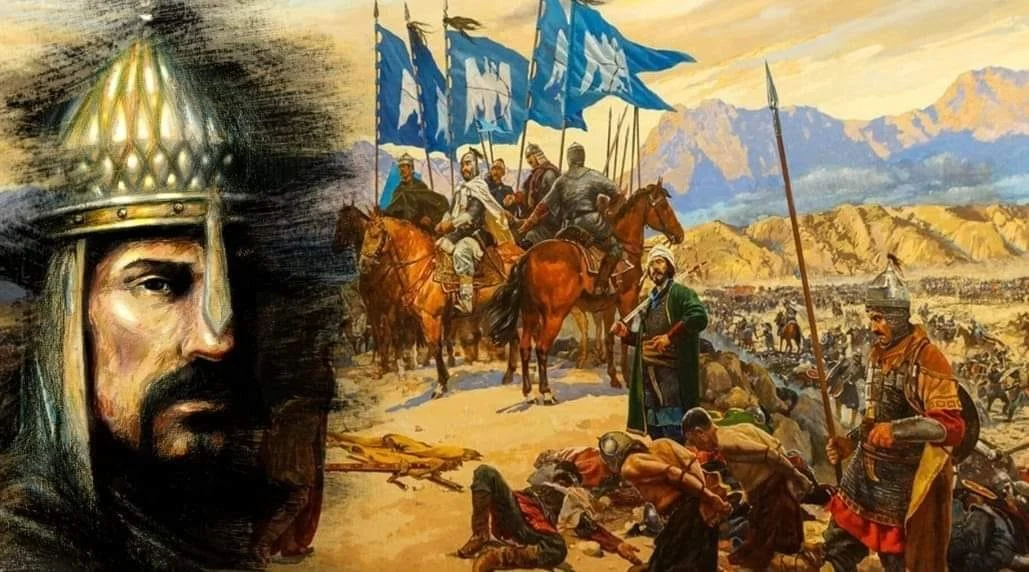
Alp Arslan was a warrior whose very presence demanded attention. Exceptionally tall and a renowned horseman, this prince was instantly recognisable by the prominent moustache that flowed down his back . His men would bestow upon him the title “valiant lion,” - a name Muhammad ibn Dawud would embody throughout his remarkable life. This warrior of the Seljuk Dynasty was instrumental in the spread of Islam in the Asia Minor.
Throughout its history, the Islamic world has experienced constant conflict. Across its various civilisations and empires, recurring patterns of victories and calamities offer valuable lessons.
When reflecting on the past, Muslims often view military victories as standalone moments rather than part of a cause-and-effect sequence, overlooking the broader context. While we proudly recall Salahuddin’s liberation of Palestine, we often overlook the preceding decades of fractured Seljuk power which led to the loss of Jerusalem.
In every age there is a time of immense trial and calamity, where the Muslims are far from the Quran and Sunnah, plunging into a period of darkness. But with every trial there is ease, as Allah Almighty appoints righteous Muslims to become the revivers of Islam. These heroes strive tirelessly to restore the ummah to the path of the Prophet ﷺ and his righteous salaf.
It is evident that the legacy of Umar ibn al-Khattab رضي الله عنه represented stability and justice, as expressed in the earlier article: How Umar ibn al-Khattab Changed A Nation. When comparing early Islamic leaders to contemporary politicians, a clear contrast emerges between selfless leadership founded on Islamic principles verses secular rulership operating on self interest and economic gain.
We’re living in a world full of conflict. Muslims being brutalised in Palestine, Libya, Sudan, Syria, Lebanon, Yemen and beyond. For our brothers and sisters in Palestine, we have seen the invasion and occupation of cities, settler violence, starvation and journalists being killed.
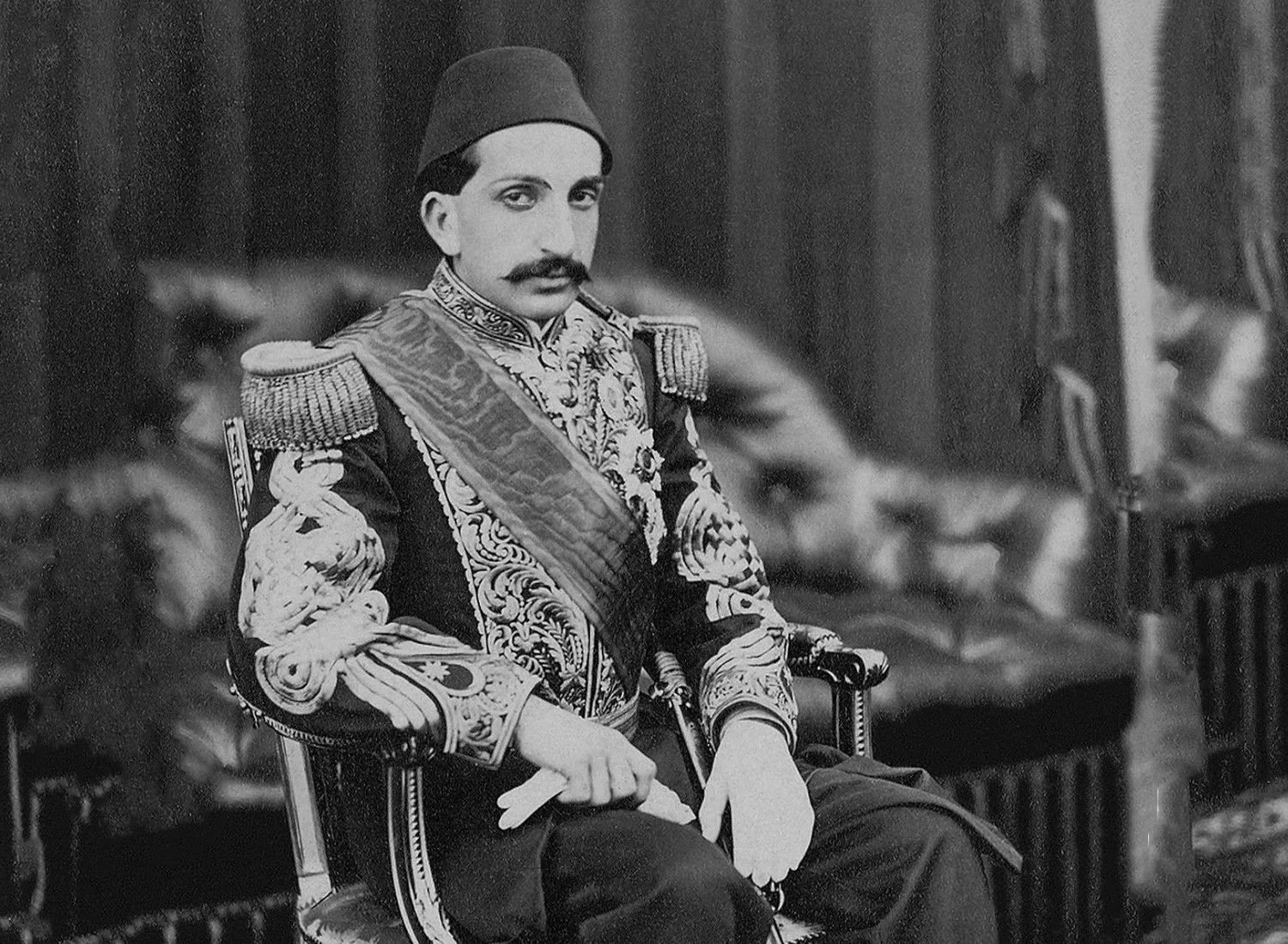
Sultan Abdul Hamid, may Allah have mercy on him, stands as one of the finest leaders the Muslim ummah has known — a statesman who led the Islamic Caliphate with resolve, safeguarded the dignity of Islam on the world stage, and strove relentlessly to revitalise the Empire in the face of mounting threats. What follows are some of his most distinguished achievements.
The collapse of the Ottoman Empire wasn’t the first time the ummah lost its caliphate. The global shock, the collapse of our unity brought a pain etched into our history, and its impact is still felt today. Preceding this was also a significant event. The 12th century collapse of the Abassid caliphate by the Mongols.
Al-Mu‘tasim Billah, son of Harun al-Rashid and the eighth Abbasid caliph, was undoubtedly an oppressor. He killed scholars and famously imprisoned others over disputes in ʿaqīdah. But this article isn’t about dissecting his legacy—it’s about one striking incident that highlights a virtue sorely lacking in today’s Muslim rulers: jealousy over a Muslim’s honour being violated.
It’s clear the ummah longs for strong, principled leadership—rulers of integrity, righteousness, and God-consciousness, who regularly consult scholars and fear misusing even a single penny from the Muslims' treasury. Such a leader shuns palaces and thrones, living humbly among the people, ever mindful of the Day of Resurrection. He ensures justice, upholds everyone’s rights, listens to good counsel for the sake of Allah, is merciful to the Muslims, and resolute against his enemies.
We watch aghast from our screens, our brothers and sisters in Palestine, Sudan, Yemen, Lebanon and across the Muslim world succumbing to the butchery of the Western imperial order. We turn to our Muslim leaders, who sit in gilded thrones, posing with the enemies of Allah who killed them.
In Western classrooms, textbooks often omit Islamic history. Most people are unaware of Islam’s historical context, including its leaders, the rise and fall of its empires, and its eventual spread. Despite this lack of understanding, Islam remains a frequent subject of debate in mainstream discourse.


The rebellion of Iblis in the story of Adam عَلَيْهِ ٱلسَّلَامُ, is a cautionary tale against arrogance and ego which can lead to Divine punishment. But what if these Satanic traits are not just glorified but prevalent in today’s society?